Angela: A Versatile Script Font for Elegant Design Projects
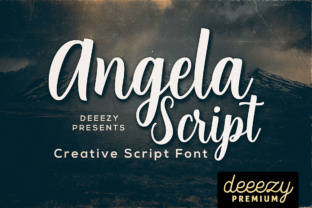
Angela is a script font that combines elegance with functionality, making it a popular choice for designers seeking a refined aesthetic. Its clean lines and flowing characters provide a sophisticated look that can elevate a wide range of design projects. Whether used in branding, invitations, or digital content, Angela offers a balance between readability and visual appeal.
What sets Angela apart from other script fonts is its extensive set of stylistic alternates. These variations allow designers to customize the appearance of text, creating unique and personalized designs without the need for additional fonts. This flexibility makes Angela particularly useful for projects that require a high degree of individuality and creativity.
Understanding the Unique Features of Angela
At its core, Angela is a script font that mimics the natural flow of handwriting while maintaining a polished appearance. It includes a range of ligatures and alternate characters that enable subtle variations in each letter, which can be especially beneficial when designing logos, headers, or other prominent typographic elements.
The font’s versatility extends to its compatibility with different design styles. For instance, it can complement modern minimalist layouts as well as more traditional or ornate designs. This adaptability makes it a valuable asset for designers who work across multiple genres or need to maintain a cohesive visual identity across various platforms.
One of the key strengths of Angela is its ability to maintain legibility even at smaller sizes. Unlike some script fonts that become difficult to read when scaled down, Angela retains clarity, making it suitable for body text in certain contexts. However, it is generally best suited for display purposes rather than long passages of text.
Comparing Angela to Similar Script Fonts
When evaluating script fonts, designers often consider factors such as style, readability, and customization options. Angela shares similarities with other popular script fonts like Playfair Display, Great Vibes, and Lobster, but it distinguishes itself through its detailed alternates and refined structure.
For example, while Great Vibes offers a similar elegant feel, it lacks the same level of stylistic variation that Angela provides. This means that designers using Great Vibes may have fewer options for customizing the look of their text. In contrast, Angela’s alternates allow for greater creative control, which can be a significant advantage in competitive design environments.
Another comparison point is with fonts like Lora or Cinzel, which are more serif-based and less fluid in their design. While these fonts offer a strong typographic presence, they do not provide the same sense of movement and grace that Angela brings to a composition. This makes Angela a better fit for projects that emphasize a more organic or artistic feel.
Best Use Cases for Angela
Angela is particularly well-suited for projects that require a touch of sophistication and personality. It works well in branding materials such as logos, business cards, and stationery, where a unique and memorable visual identity is essential. The font’s stylistic alternates also make it ideal for custom typography in web design, where a distinctive look can help a brand stand out.
In the realm of print design, Angela is frequently used for wedding invitations, event posters, and editorial layouts. Its ability to convey a sense of elegance and refinement aligns well with these applications, where the visual impact of typography plays a crucial role. Additionally, its clean structure ensures that it remains readable in both large and small formats.
For digital use, Angela can enhance the visual appeal of websites, social media graphics, and mobile app interfaces. However, designers should be mindful of its limitations in terms of legibility at smaller sizes. In such cases, it may be more effective to use Angela for headings or decorative elements rather than for extended text blocks.
Considerations When Choosing Angela
While Angela offers many advantages, it is important to consider its suitability for specific projects. One potential limitation is its complexity in certain contexts. For instance, in highly technical or data-driven content, a more straightforward font might be more appropriate. Angela’s decorative nature could distract from the clarity of information if not used thoughtfully.
Another factor to consider is the availability of alternative fonts. Depending on the project’s requirements, other script fonts may offer better performance or more tailored features. For example, if a designer needs a font with a stronger historical or cultural association, they might opt for a typeface that reflects those characteristics more accurately.
Additionally, the licensing terms of Angela should be reviewed carefully. Some fonts come with restrictions on commercial use, and understanding these terms is essential before incorporating the font into a professional project. Designers should also ensure that they have access to the necessary tools and software to fully utilize the font’s stylistic alternates.
When Angela Is the Right Choice
Angela is an excellent choice for designers who want to add a refined and artistic touch to their work. It is particularly effective when the goal is to create a sense of luxury, creativity, or personalization. For example, a boutique fashion brand looking to establish a unique visual identity might find Angela to be a compelling option for its logo or packaging design.
In the context of digital marketing, Angela can be used to craft visually striking headlines or call-to-action buttons that capture attention. Its fluid design helps to draw the eye and create a more engaging user experience. However, it is important to balance its use with other design elements to avoid overwhelming the viewer.
For personal projects, such as portfolio websites or creative blogs, Angela can add a touch of individuality that reflects the creator’s style. Its versatility allows it to be used in a variety of ways, making it a flexible tool for designers who want to express their vision effectively.
When Other Options May Be More Suitable
There are scenarios where other fonts may be more appropriate than Angela. For instance, in situations where simplicity and clarity are paramount, a sans-serif or serif font might be a better choice. These fonts tend to be more neutral and less distracting, allowing the content to take center stage.
Designers working on projects with a strong emphasis on accessibility should also consider alternative fonts. While Angela is readable in most cases, it may not be the best option for audiences with visual impairments. In such instances, a font with higher contrast and simpler forms could be more effective.
Furthermore, if a project requires a consistent and uniform look across multiple platforms, a more standardized font might be preferable. This is especially true in corporate or institutional settings, where a cohesive visual language is essential. In these cases, the distinctiveness of Angela could be seen as unnecessary or even counterproductive.