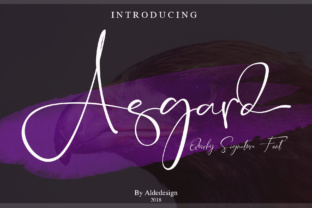
Asgard: A Signature Font for Creative Expression
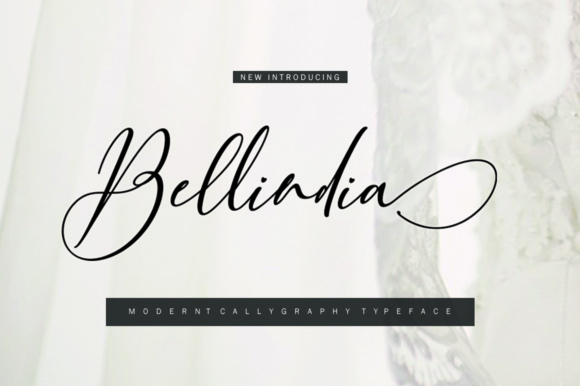
When it comes to typography, the right font can transform a design from ordinary to extraordinary. Asgard is a signature font that stands out for its elegant script style and versatile applications. Designed with creativity in mind, Asgard offers a unique blend of sophistication and personality, making it ideal for a wide range of projects.
What makes Asgard particularly appealing is its ability to add a personal touch to any design. Whether you're working on a logo, a magazine layout, or a social media post, this font brings a sense of authenticity and flair. Its fluid curves and distinctive letterforms make it perfect for editorial work, branding, and artistic expressions where visual impact matters.
Exploring Creative Possibilities with Asgard
Asgard isn't just a font—it's a tool for creative expression. Its script style allows for a variety of interpretations, from classic elegance to modern minimalism. Designers can experiment with different weights, spacing, and color combinations to achieve unique visual effects. This flexibility makes it suitable for both traditional and contemporary design approaches.
One of the most exciting aspects of Asgard is its adaptability. It works well in a range of formats, including print and digital media. For instance, in editorial design, it can be used for headlines, captions, or title pages to create a cohesive and stylish look. In marketing materials, it adds a touch of sophistication that can elevate brand identity and messaging.
For bloggers and content creators, Asgard provides an opportunity to stand out in a crowded online space. Using it for headings or section titles can draw attention and enhance readability. When paired with complementary fonts, it can create a balanced and visually appealing layout that engages readers and keeps them coming back for more.
Practical Applications and Use Cases
Business owners and entrepreneurs can benefit from using Asgard in their branding efforts. A custom logo featuring this font can communicate professionalism and creativity, helping to establish a strong brand presence. It's also useful for creating promotional materials such as flyers, brochures, and business cards that reflect a unique and memorable identity.
Educators and students can use Asgard to enhance presentations, reports, and academic papers. While it may not be suitable for body text, it can be effective for titles, headings, and decorative elements that add visual interest. This makes it a valuable resource for those looking to make their work more engaging and visually appealing.
Freelancers and independent creatives can leverage Asgard to differentiate their work in a competitive market. Whether designing for clients or showcasing personal projects, this font offers a way to express individuality and artistic vision. It's especially useful for those who want to convey a sense of craftsmanship and attention to detail in their designs.
Adapting Asgard for Different Goals and Audiences
The key to successfully using Asgard lies in understanding how to tailor it to specific goals and audiences. For example, a luxury brand might use it in a more refined and restrained way, while a creative agency could embrace its expressive nature to showcase innovation and originality.
When targeting different platforms, consider how Asgard will appear across various devices and screen sizes. On mobile screens, it's important to ensure that the font remains legible and doesn't compromise the overall user experience. Testing it in different contexts helps maintain clarity and effectiveness.
For a broader audience, it's essential to balance creativity with accessibility. While Asgard is visually striking, it should complement rather than overshadow the content. Using it strategically—such as for key phrases or visual accents—can help maintain a professional and approachable tone.
Tips for Effective Use of Asgard
To get the most out of Asgard, start by experimenting with different styles and layouts. Try varying the size, weight, and spacing to see how it affects the overall look and feel. This process can reveal new ways to incorporate the font into your work and inspire fresh ideas.
Pairing Asgard with other fonts is another effective strategy. Combining it with a sans-serif or serif typeface can create contrast and hierarchy, making the design more dynamic. The goal is to find a balance that enhances readability without sacrificing style.
Finally, don't hesitate to seek inspiration from existing designs. Look at how others have used similar fonts in their work and think about what makes those examples successful. This can provide valuable insights and help you develop your own unique approach to using Asgard.