Casual Caps: A Natural Touch for Everyday Design
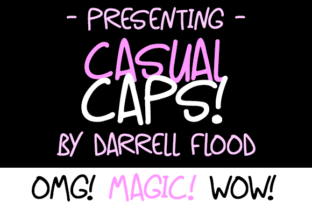
Casual Caps is a freehand, felt-tip marker font that brings a relaxed, handwritten aesthetic to digital design. Its casual style makes it ideal for adding a friendly, approachable vibe to projects ranging from personal notes to professional marketing materials. Whether you're working on a presentation, social media post, or creative project, Casual Caps offers a unique way to express ideas with a touch of personality.
This font isn’t just about visual appeal—it’s about how it fits into your workflow. Understanding where and when to use Casual Caps can help you streamline tasks, enhance communication, and maintain consistency across different platforms and tools.
Understanding Casual Caps in the Design Process
Casual Caps is best suited for situations where a more organic feel is desired. Unlike traditional serif or sans-serif fonts, which often convey formality or structure, Casual Caps adds a sense of informality and spontaneity. This makes it particularly useful in scenarios where the goal is to create a connection with the audience rather than enforce a rigid structure.
For example, in marketing campaigns, Casual Caps can be used to highlight key messages in a way that feels less corporate and more relatable. In educational content, it can make instructions or explanations feel more accessible and engaging. The font works well in both digital and print formats, making it a versatile choice for designers and creators who want to maintain a cohesive look across multiple mediums.
Integrating Casual Caps into Your Workflow
One of the most practical aspects of Casual Caps is its compatibility with various design tools. It can be easily integrated into graphic design software like Adobe Illustrator, Canva, or Figma, as well as word processors and presentation tools. This flexibility allows users to apply the font consistently across different projects without needing to switch between platforms.
When using Casual Caps, it's important to consider how it interacts with other design elements. For instance, pairing it with a clean, modern font can create a balanced contrast that draws attention to key points. Alternatively, using it alongside other hand-drawn or informal styles can reinforce a thematic unity in a project.
For professionals who work on multiple projects simultaneously, Casual Caps can serve as a go-to font for quick sketches, brainstorming sessions, or informal communications. Its casual nature makes it less intimidating, encouraging creativity and reducing the pressure of perfectionism during early stages of development.
Practical Use Cases for Casual Caps
Casual Caps is not limited to visual design—it can also be useful in writing and content creation. When drafting emails, social media captions, or blog posts, using this font can add a human touch that resonates with readers. It’s especially effective in industries where authenticity and relatability are valued, such as lifestyle, education, and small business marketing.
In team environments, Casual Caps can be used to annotate documents, provide feedback, or add notes in collaborative spaces. Its informal style helps reduce the perceived distance between team members, fostering a more open and approachable communication culture.
For educators and trainers, Casual Caps can be a valuable tool in creating lesson plans, handouts, or interactive materials. It can make complex concepts feel more digestible and less intimidating, especially when targeting younger audiences or those new to a subject.
Implementation Tips for Maximum Effectiveness
To get the most out of Casual Caps, start by identifying the specific needs of your project. Ask yourself: Is the goal to communicate information clearly, build a connection with the audience, or add a stylistic element? Once you have a clear purpose, you can determine the best way to incorporate the font into your design or content strategy.
Consistency is key when using Casual Caps. If you plan to use it across multiple projects, ensure that it aligns with your overall brand identity. This might involve adjusting the size, spacing, or color of the font to match your existing style guide.
Another tip is to experiment with different applications of the font. Try using it in headings, body text, or as a decorative element. Testing it in various contexts will help you understand its strengths and limitations, allowing you to make informed decisions about its use.
Long-Term Use and Maintenance
While Casual Caps is easy to implement, maintaining its effectiveness over time requires some planning. As your projects evolve, you may need to revisit how you use the font to ensure it continues to meet your needs. This could involve updating design templates, revising content strategies, or exploring complementary fonts that work well with Casual Caps.
Additionally, staying aware of updates or variations of the font can help you stay ahead of trends and maintain a fresh, relevant look. Many designers and developers release updated versions of their fonts periodically, so keeping track of these changes can be beneficial for long-term use.
Collaboration and Team Integration
When working with a team, it’s important to establish guidelines for using Casual Caps. This ensures that everyone is on the same page and that the font is used consistently across all deliverables. Clear documentation of font usage, including examples and best practices, can help prevent confusion and maintain quality control.
Collaboration tools like Google Docs, Trello, or Slack can also be used to share font samples, discuss implementation strategies, and gather feedback. These platforms make it easier to align on design choices and ensure that Casual Caps is used effectively throughout the project lifecycle.
Conclusion: Embracing the Casual Approach
Casual Caps is more than just a font—it’s a tool that can enhance the way you communicate, collaborate, and create. By understanding its role in different workflows and integrating it thoughtfully, you can add a natural, friendly touch to your designs without sacrificing clarity or professionalism.
Whether you’re working on a personal project, a business initiative, or an educational resource, Casual Caps offers a flexible and expressive way to bring your ideas to life. With the right approach, it can become an essential part of your creative toolkit, helping you achieve better results and stronger connections with your audience.