Dahlia: A Handwritten Script with Timeless Charm
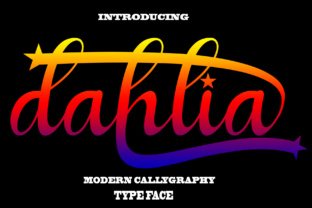
Dahlia is more than just a font—it's a creative companion that brings warmth, personality, and elegance to any design. This modern calligraphy script font stands out for its natural, handwritten feel, making it ideal for projects that need a touch of authenticity and artistry. Whether you're designing a logo, crafting social media graphics, or working on editorial layouts, Dahlia offers a unique blend of sophistication and approachability.
What Makes Dahlia Unique?
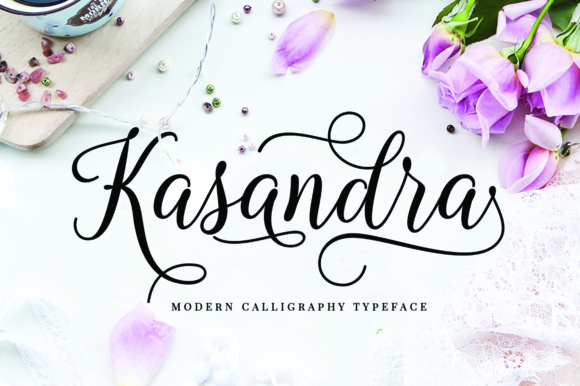
At first glance, Dahlia feels like a personal note written by hand, but it’s meticulously crafted to maintain consistency across different sizes and formats. Its visual characteristics include fluid strokes, subtle flourishes, and a balanced structure that mimics the rhythm of real handwriting. Unlike rigid typefaces, Dahlia has a softness that makes it inviting and easy to read, even in longer text blocks.
The font’s personality is both modern and timeless. It bridges the gap between traditional calligraphy and contemporary design, making it versatile enough for a wide range of applications. Whether you're aiming for a vintage aesthetic or a fresh, minimalist look, Dahlia adapts without losing its character.
Where Dahlia Shines
Dahlia excels in projects that benefit from a human touch. In branding, it adds a sense of individuality and creativity, perfect for startups, boutique businesses, or brands targeting a younger, more expressive audience. For logos, it can convey a sense of craftsmanship and care, especially when paired with simple, clean elements.
In editorial design, Dahlia works well for headlines, captions, and decorative text. Its organic flow complements photographs and illustrations, creating a cohesive visual language. For packaging design, it can elevate product labels, giving them a custom, artisanal feel that stands out on shelves.
On the web, Dahlia is best used as a display font rather than for body text. It shines in hero sections, headings, and buttons, where its style can draw attention without compromising readability. When used in social media graphics, it adds a personal, engaging quality that resonates with audiences looking for authenticity.
How Dahlia Influences Design
Readability is a key consideration when using any script font, and Dahlia is designed with this in mind. While it’s not suitable for long paragraphs, it maintains clarity at larger sizes, making it ideal for headlines and short phrases. Its consistent stroke width and open letterforms help prevent visual clutter, ensuring it remains legible even in complex layouts.
In terms of visual hierarchy, Dahlia can be used to emphasize key messages or create a focal point in a design. Its flowing lines and decorative elements naturally draw the eye, helping to guide viewers through a composition. When paired with other fonts, it can add contrast and balance, enhancing the overall design.
From a brand perception standpoint, Dahlia conveys creativity, trust, and a personal connection. It’s often used by brands that want to appear approachable and authentic, rather than corporate or impersonal. This makes it a strong choice for businesses in the arts, wellness, fashion, and lifestyle sectors.
Choosing the Right Font for Your Project
When considering Dahlia for your next project, start by evaluating the tone and purpose of your design. If your goal is to create a warm, inviting atmosphere, Dahlia can be an excellent fit. However, if your brand requires a more formal or structured look, you may want to pair it with a serif or sans serif font for balance.
Testing font pairings is essential. Try combining Dahlia with a clean, neutral typeface like Helvetica or Lato to see how they interact. Pay attention to how the styles complement each other and whether they enhance the overall message of your design. Avoid overusing script fonts, as they can become overwhelming if not used thoughtfully.
Reviewing the included styles is also important. Some script fonts come with variations such as regular, bold, or alternate characters. Understanding these options allows you to make informed choices about how to use the font effectively. Always test the font at different sizes and in various contexts to ensure it performs well across all platforms.
Practical Tips for Using Dahlia
Before finalizing your design, check the commercial licensing terms. Make sure you have the right to use Dahlia for your intended purpose, whether it’s for a personal project, a client’s business, or a public campaign. Licensing details can vary, so it’s always wise to verify the terms before proceeding.
For small business owners and content creators, Dahlia can be a powerful tool for building brand recognition. Use it consistently across your website, social media, and marketing materials to create a cohesive identity. However, remember that less is more—using it too frequently can dilute its impact.
Ultimately, Dahlia is a premium font that offers both aesthetic appeal and practical value. Whether you're a designer, marketer, or entrepreneur, incorporating it into your design toolkit can help you create work that feels genuine, professional, and visually compelling.