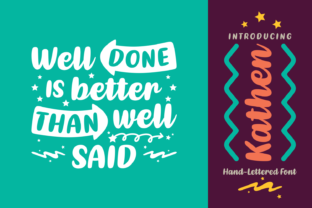
Kathen: The Handwritten Font That Brings Love to Your Designs
If you're looking for a font that feels like a personal message, Kathen is the one. This handwritten typeface is more than just a design choice—it's a way to infuse your work with warmth, creativity, and authenticity. Whether you're designing for a small business, crafting a wedding invitation, or adding a unique touch to a social media post, Kathen offers a fresh, expressive alternative to standard fonts.
What Makes Kathen Stand Out
Kathen isn't just another font—it's a reflection of human expression. Its fluid, organic strokes mimic the natural flow of handwriting, making it ideal for projects that require a personal, handcrafted feel. Unlike rigid digital fonts, Kathen carries the imperfections and character of real pen and paper, giving it a soulful quality that's hard to replicate.
The font's versatility is one of its greatest strengths. It works well in both casual and formal settings, depending on how you use it. For example, a logo using Kathen might look elegant and refined, while the same font in a greeting card could feel intimate and heartfelt. This adaptability makes it a favorite among designers who want to maintain a consistent visual identity across different mediums.
Real-World Applications of Kathen
One of the most common uses for Kathen is in branding. Small businesses, especially those in the creative or lifestyle industries, often turn to this font to create a brand image that feels approachable and genuine. A boutique coffee shop might use Kathen for its signage to give customers a sense of warmth and community. Similarly, an independent artist could use it for their website or social media profiles to reinforce a personal connection with their audience.
Event planning is another area where Kathen shines. Wedding invitations, thank-you notes, and event flyers can all benefit from the font's soft, romantic aesthetic. When paired with pastel colors or floral elements, Kathen adds a touch of elegance that feels both modern and timeless. It’s also popular for baby showers, birthdays, and other celebratory occasions where the tone needs to be light, joyful, and heartfelt.
In the world of digital marketing, Kathen can help brands stand out in a crowded space. Social media posts, email newsletters, and promotional banners that feature this font often feel more engaging and authentic. For instance, a skincare brand might use Kathen in a blog post about self-care to create a more personal, relatable tone. The font’s readability at smaller sizes makes it suitable for text-heavy content without sacrificing style.
Who Benefits From Using Kathen?
Designers and artists are the obvious beneficiaries of Kathen, but its appeal extends far beyond the creative industry. Entrepreneurs, educators, and even professionals in the healthcare or nonprofit sectors can find value in this font. For example, a teacher might use Kathen in lesson plans or classroom materials to make learning feel more personal and inviting. A nonprofit organization could use it in fundraising campaigns to evoke emotion and encourage donations.
Individuals looking to add a personal touch to their projects also appreciate Kathen. Whether it's a handmade card for a friend, a custom t-shirt design, or a DIY scrapbook, the font allows users to express themselves in a way that feels genuine. It’s especially useful for people who don’t have formal design training but still want to create visually appealing content.
Considerations Before Using Kathen
While Kathen is incredibly versatile, it’s important to consider its limitations. Because it’s a handwritten font, it may not be the best choice for large blocks of text. In such cases, it can be harder to read, especially at smaller sizes. To avoid this, many users pair Kathen with a more traditional font for body text, using the handwritten style only for headings or key phrases.
Another consideration is the context in which it's used. While Kathen works well in creative or emotional settings, it might not be appropriate for highly professional or technical documents. For example, a legal contract or a corporate report would likely benefit more from a clean, sans-serif font rather than a flowing, handwritten one. However, if the goal is to add a personal touch, Kathen can still be used effectively in a subtle way.
Finally, users should be aware of licensing terms when using Kathen in commercial projects. Some fonts come with restrictions on how they can be used, so it's always a good idea to check the license agreement before incorporating the font into any public-facing work.
How to Get the Most Out of Kathen
To make the most of Kathen, start by experimenting with different styles and combinations. Try pairing it with bold, modern fonts for contrast, or use it alongside minimalist designs to let its personality shine. You can also play with color, texture, and layout to enhance its visual impact.
For those new to typography, tools like Adobe Creative Suite, Canva, or Figma offer easy ways to test and apply Kathen in real-time. These platforms allow you to see how the font looks in different contexts, helping you make informed decisions about its use.
Ultimately, Kathen is more than just a font—it's a tool for storytelling, connection, and creativity. Whether you're designing for a personal project or a business, this handwritten typeface has the power to transform your work into something truly memorable.