Pascal: A Hand-Drawn Font with Personal Touch
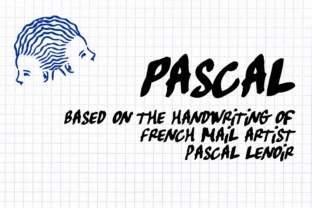
Pascal is a hand-drawn font that captures the essence of personal expression through its unique, organic style. Inspired by the handwriting of mail artist Pascal Lenoir, this font brings a warm, authentic feel to any design project. Its irregular strokes and subtle variations make it stand out in a world of rigid digital typefaces.
Designed for those who value creativity and individuality, Pascal offers a refreshing alternative to standard fonts. Whether you're working on a logo, a website, or a print piece, Pascal adds a human touch that can elevate your work from ordinary to memorable.
What Makes Pascal Unique?
Pascal’s visual characteristics are what set it apart from other fonts. Each letter is crafted with a natural flow, mimicking the way someone might write by hand. The font has a slightly uneven baseline, which gives it a more organic and less mechanical appearance. This makes it ideal for projects that aim to convey a sense of authenticity and craftsmanship.
The personality of Pascal is friendly and approachable. It doesn’t have the formal rigidity of a traditional serif font, nor does it carry the casual vibe of a typical sans serif. Instead, it sits somewhere in between, offering a balance of elegance and informality. This versatility allows it to fit into a wide range of design contexts without feeling out of place.
Visually, Pascal works best when used in smaller sizes, where its details can be appreciated without overwhelming the reader. However, it also shines as a display font in headlines, logos, and branding materials. Its distinct shape and character make it a strong choice for anything that requires a personal, handwritten feel.
Where Pascal Thrives in Design
Pascal is particularly well-suited for creative and artistic projects. In editorial design, it can add a personal flair to magazine layouts, book covers, or newsletters. For packaging design, it brings a handmade quality that can differentiate a product on the shelf. Its warmth and charm make it an excellent choice for indie brands, artisanal businesses, and small-scale publishers.
In web design, Pascal can be used for headings, buttons, or call-to-action elements. When paired with a clean, modern sans serif, it creates a dynamic contrast that draws attention without sacrificing readability. Social media graphics, email newsletters, and blog headers can all benefit from Pascal’s expressive style.
For personal projects, such as wedding invitations, greeting cards, or DIY crafts, Pascal adds a custom, one-of-a-kind feel. It’s perfect for those who want to infuse their work with a sense of individuality and care. In commercial settings, it can be used for branding, signage, or promotional materials where a human touch is desired.
How Pascal Influences Branding and Communication
When used effectively, Pascal can significantly impact how a brand is perceived. Its handwritten nature evokes a sense of trust, sincerity, and personal connection. This makes it ideal for brands that want to communicate a more intimate, relatable identity.
In terms of visual hierarchy, Pascal works best as a secondary or accent font. It should be used sparingly to avoid cluttering the design. When paired with a more structured typeface, it can create a balanced layout that guides the viewer’s eye while maintaining a cohesive look.
Readability is an important consideration when using Pascal. While it’s highly legible at smaller sizes, it may not be the best choice for long blocks of text. Instead, use it for short phrases, titles, or decorative elements where its character can shine without compromising clarity.
Consistency is key when incorporating Pascal into a brand’s visual identity. If used across multiple platforms—print, digital, or packaging—it should maintain a uniform style to reinforce brand recognition. This helps build a stronger, more memorable presence in the minds of the audience.
Practical Tips for Using Pascal
Before choosing Pascal for a project, consider the tone and message you want to convey. Is the goal to express creativity, professionalism, or something in between? Pascal is best suited for projects that benefit from a personal, thoughtful approach rather than a strictly formal one.
Testing font pairings is essential. Try combining Pascal with a clean, neutral typeface to see how they interact. A good pairing can enhance the overall design while keeping it readable and visually appealing. Avoid using too many different fonts in one project, as this can lead to a chaotic look.
Review the available styles of Pascal before making a decision. Some fonts come in multiple weights or variations, which can offer more flexibility in design. Choose the style that best matches the mood and purpose of your project.
When considering commercial licensing, ensure that the font is properly licensed for the intended use. This includes web use, print production, and any other distribution channels. Always check the license agreement to avoid any legal issues down the line.
Finally, don’t be afraid to experiment. Pascal’s unique style invites creativity and exploration. Whether you’re designing a logo, crafting a marketing campaign, or simply adding a personal touch to a document, Pascal offers a fresh and expressive option that can bring your vision to life.