Pedrera: A Vintage Typeface with Modern Appeal
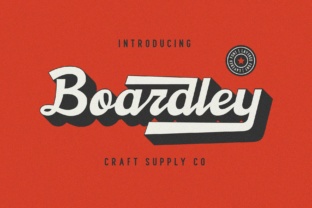
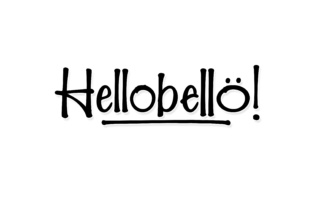
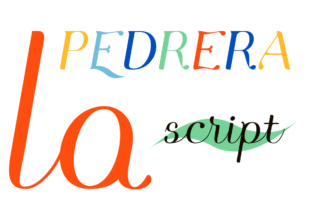
Pedrera is a vintage typeface that brings a unique blend of boldness and casual charm to any design. Its organic feel and approachable style make it a go-to choice for creators looking to add character without sacrificing clarity. Whether you're working on a retro project or a modern campaign, Pedrera offers a versatile foundation that can adapt to various creative needs.
What sets Pedrera apart is its ability to bridge the gap between old-world aesthetics and contemporary design. The font’s slightly irregular strokes and handcrafted look give it an authentic, editorial vibe that feels both nostalgic and fresh. This makes it ideal for projects that aim to evoke a sense of history while remaining relevant to today's audiences.
Why Pedrera Stands Out
Pedrera’s appeal lies in its balance of structure and spontaneity. Unlike rigid typefaces that feel too formal, Pedrera has a relaxed energy that invites engagement. Its letterforms are designed with subtle variations, which prevent the text from looking monotonous or lifeless. This natural variation adds depth and personality, making it perfect for designs that need to stand out without being overwhelming.
The font’s versatility is another key strength. It works well in both large headlines and smaller body text, allowing it to be used across different formats. Whether you're designing a logo, a poster, or a website, Pedrera can be adapted to fit your specific needs. Its readability ensures that even in smaller sizes, the text remains legible and impactful.
Creative Possibilities with Pedrera
Designers can use Pedrera to create a wide range of visual identities. For example, a small business owner might choose this font for their brand’s logo to convey a sense of authenticity and warmth. The font’s casual nature helps build trust with customers, making it an excellent choice for startups, artisanal brands, or lifestyle companies.
In editorial design, Pedrera can bring a refreshing twist to magazine layouts, book covers, or digital publications. Its vintage aesthetic pairs well with photography, illustrations, and other visual elements that require a cohesive, storytelling approach. Using it for headings or subheadings can help guide readers through content while maintaining an engaging tone.
Marketers can also benefit from Pedrera’s flexibility. It works well in social media posts, email newsletters, and advertising campaigns where a personal touch is needed. By using this font in callout sections or captions, marketers can create a more relatable and humanized brand voice that resonates with their audience.
Adapting Pedrera for Different Audiences
One of the most valuable aspects of Pedrera is how easily it can be tailored to different audiences. For a younger demographic, the font’s informal style can be paired with bright colors, playful graphics, and dynamic layouts. This combination can help create a fun and energetic brand identity that appeals to Gen Z and Millennials.
For more mature or professional audiences, Pedrera can be used in a more restrained way. Pairing it with minimalist designs, neutral tones, and clean layouts can give it a sophisticated edge. This approach is effective for industries like finance, law, or education, where credibility and professionalism are essential.
Freelancers and independent creators can use Pedrera to showcase their personal brand. Whether it’s on a portfolio site, a business card, or a client proposal, the font adds a unique signature that reflects their creative personality. It’s a great way to differentiate themselves in a competitive market.
Practical Tips for Using Pedrera
To get the best results with Pedrera, start by understanding the context of your project. Consider the message you want to convey and how the font will support that message. For instance, if you’re designing a product packaging, use Pedrera for the brand name to create a memorable and distinctive look.
When pairing Pedrera with other fonts, choose complementary typefaces that enhance rather than compete. A sans-serif font like Montserrat or Lato can provide contrast while maintaining visual harmony. This combination helps keep the design balanced and easy to read.
Testing the font in different sizes and formats is also important. Make sure it looks good on both screen and print, and adjust spacing as needed to maintain clarity. Pay attention to how it interacts with background colors and other design elements to ensure it stands out without being distracting.
Real-World Applications of Pedrera
Consider a local café that wants to update its branding. Using Pedrera for the café’s name on menus, signage, and social media posts can create a warm and inviting atmosphere. The font’s casual feel aligns with the café’s friendly, community-focused vibe, making it a strong visual representation of the brand.
An educational platform might use Pedrera for course titles or promotional materials to make learning feel more approachable. The font’s organic style can help reduce the intimidation factor often associated with academic content, encouraging more people to engage with the material.
A fashion brand could leverage Pedrera for a limited-edition collection. By incorporating the font into product labels, packaging, and marketing collateral, the brand can create a cohesive and memorable experience that resonates with its target audience.
Conclusion: Embrace the Character of Pedrera
Pedrera is more than just a typeface—it’s a tool for expression. Its bold yet casual style allows designers to communicate ideas with authenticity and creativity. Whether you're working on a personal project or a professional campaign, this font offers a unique way to connect with your audience.
By understanding its strengths and adapting it to your specific needs, you can unlock new possibilities in your design work. Let Pedrera inspire you to create with confidence, clarity, and a touch of personality.