Tippa: A Retro Typewriter Font for Creative Projects
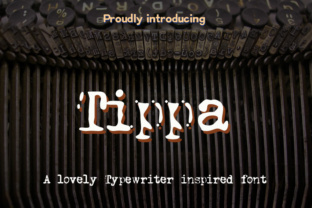
If you're looking to add a vintage flair to your design work, Tippa is a unique slab serif font that brings the charm of old mechanical typewriters into the digital age. With its distinct character and nostalgic appeal, Tippa offers a fresh way to express creativity while maintaining a sense of history. Whether you're a designer, writer, or business owner, this font can elevate your projects with a touch of retro style.
Designed with attention to detail, Tippa mimics the look of traditional typefaces used in typewriters from decades past. Its bold strokes and clean lines make it highly readable, even at smaller sizes. This makes it ideal for a wide range of applications, from logos and branding to book covers and signage. The font's aesthetic is both functional and visually engaging, making it a versatile choice for various creative endeavors.
Why Different Audiences May Care About Tippa
Tippa’s appeal lies in its ability to cater to a broad spectrum of users, each with their own priorities and goals. For example, a graphic designer might appreciate the font for its visual impact and how it can help convey a specific mood or theme. A small business owner could use it to create a brand identity that stands out in a competitive market. Meanwhile, a student or educator might find it useful for presentations or educational materials that benefit from a historical or thematic element.
For beginners, Tippa offers an accessible way to experiment with typography without the need for advanced design skills. Its clear structure allows users to focus on layout and composition rather than worrying about readability. Experienced designers, on the other hand, may value Tippa for its originality and how it can be used to differentiate their work in a saturated design landscape.
Practical Uses Across Different Fields
Writers and bloggers often seek fonts that enhance the tone of their content. Tippa can be especially effective for stories, articles, or blogs that aim to evoke a sense of nostalgia or authenticity. Its typewriter-like appearance can make text feel more personal and handwritten, which can resonate with readers looking for a more intimate reading experience.
Entrepreneurs and marketers might consider Tippa when designing promotional materials, such as flyers, posters, or social media graphics. The font’s retro aesthetic can help brands stand out by offering a unique visual identity that feels both modern and timeless. It can also be used to create a consistent look across multiple platforms, reinforcing brand recognition.
For educators, Tippa can be a valuable tool in creating engaging lesson plans or classroom materials. Its distinctive style can capture students’ attention and make learning more interactive. Additionally, it can be used in historical or literary studies to help illustrate the evolution of typography over time.
Considerations for Different Users
When evaluating Tippa, users should consider their specific needs and how the font aligns with their goals. Beginners may prioritize ease of use and availability, while professionals might focus on quality and versatility. For instance, a freelance designer might assess whether Tippa offers enough flexibility for different project types, such as print versus digital formats.
Business owners may also want to evaluate the font’s commercial value. Does it meet the standards required for professional branding? Is it compatible with common design software? These are important questions that can influence the decision to incorporate Tippa into a broader design strategy.
Consumers who are not directly involved in design but still appreciate aesthetics might choose Tippa for personal projects, such as handmade cards, journaling, or home decor. In these cases, the font’s visual appeal and emotional connection to the past can be just as important as its functionality.
How to Decide If Tippa Is Right for You
To determine if Tippa suits your needs, start by identifying the purpose of your project. Are you aiming for a specific style, such as vintage, forensics, or artistic expression? If so, Tippa could be a strong candidate. Consider how the font will interact with other elements in your design, such as color schemes, images, and layout structures.
Testing the font in real-world scenarios can also be helpful. Try using it in a sample document or design to see how it looks in different contexts. Pay attention to legibility, especially in larger blocks of text. While Tippa is designed to be readable, certain applications—such as long paragraphs—may require additional adjustments to ensure clarity.
Finally, think about the long-term usefulness of the font. Will it remain relevant for future projects? Can it be adapted to new trends or technologies? These factors can help you decide whether Tippa is a worthwhile addition to your design toolkit.