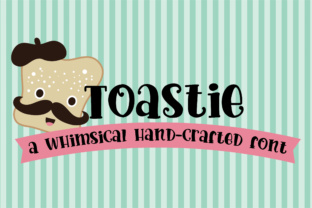
Toastie: A Whimsical Font for Creative Workflows
Toastie is a hand-crafted font that brings a playful and whimsical touch to any design project. Its unique characteristics, such as the absence of descenders, make it an ideal choice for visual elements like banners, boxes, and crafts. Unlike many other fonts that follow strict typographic rules, Toastie embraces a more freeform style, allowing for creative expression without sacrificing clarity.
This font is particularly useful in scenarios where a light-hearted or fun aesthetic is needed. Whether you're designing a promotional banner for a local event, creating a custom label for a craft item, or adding a personal touch to a digital document, Toastie can enhance the visual appeal of your work while maintaining readability.
Understanding Toastie's Role in Design Processes
Incorporating Toastie into your design workflow requires a clear understanding of its strengths and limitations. As a font without descenders, it may not be suitable for long blocks of text where traditional typography is preferred. However, its distinctive look makes it perfect for headings, logos, and other short-form text elements that benefit from a bold and memorable presence.
Before using Toastie, consider the context in which it will appear. For example, if you're working on a marketing campaign that targets a younger audience, Toastie could help convey a sense of creativity and approachability. On the other hand, if your project requires a more formal tone, you might want to pair Toastie with a more traditional font to balance the overall design.
Using Toastie in Different Stages of a Project
Toastie can be integrated at various stages of a project, depending on the goals and requirements. During the planning phase, it can be used to brainstorm and visualize ideas for branding or promotional materials. Its whimsical nature encourages creative thinking and helps set the tone for the final product.
During the execution phase, Toastie can be applied to specific elements that need a unique visual identity. For instance, if you're designing a social media post, using Toastie for the headline can draw attention and create a cohesive look across your content. Similarly, in a print project like a flyer or poster, Toastie can add a touch of personality that stands out from more conventional fonts.
After the project is complete, Toastie can still play a role in quality control and consistency checks. Ensuring that the font is used appropriately and consistently across all materials helps maintain a professional appearance while preserving the intended aesthetic.
Integrating Toastie with Other Tools and Resources
Toastie works well with a variety of design tools and platforms. Whether you're using graphic design software like Adobe Illustrator or Canva, or working within content management systems like WordPress or Shopify, Toastie can be easily incorporated into your workflow. Most design platforms allow for custom font uploads, making it simple to add Toastie to your projects.
When pairing Toastie with other design elements, consider how it interacts with colors, images, and layouts. A vibrant color palette can complement the playful nature of the font, while a minimalist design can let Toastie stand out on its own. Additionally, testing different combinations can help you find the most effective way to use the font in your specific context.
Practical Tips for Implementing Toastie
To get the most out of Toastie, start by experimenting with different sizes and placements. Since it lacks descenders, it may appear slightly smaller than other fonts at the same point size. Adjusting the font size accordingly can help ensure that it reads clearly and maintains its visual impact.
Another tip is to use Toastie selectively. Overusing it can dilute its effect and make your design feel cluttered. Instead, reserve it for key elements where its unique style will have the greatest impact. This approach not only enhances the overall design but also reinforces the message or theme you're trying to convey.
Finally, always test your designs in different formats and environments. What looks good on a screen may not translate well to print, and vice versa. By testing Toastie in real-world scenarios, you can ensure that it performs well and meets your expectations.
Toastie in Real-World Use Cases
For small business owners, Toastie can be a valuable tool for branding and marketing. A bakery, for example, might use Toastie in their logo to reflect a cozy, homey feel. Similarly, a boutique clothing store could use it in their signage to create a fun and inviting atmosphere.
Entrepreneurs and creators can also benefit from Toastie when developing personal brands or creative portfolios. Adding a touch of whimsy to a website header or social media profile can help differentiate their work and attract attention. In educational settings, teachers might use Toastie in lesson plans or classroom decorations to make learning more engaging and visually appealing.
Long-Term Considerations for Using Toastie
While Toastie is great for short-term projects, it's important to think about its long-term usability. If you plan to use it consistently across multiple projects, consider how it will fit into your overall design system. Consistency is key to maintaining a professional and cohesive look, so it's essential to define guidelines for when and how to use the font.
Additionally, staying updated on font trends and alternatives can help you make informed decisions about when to continue using Toastie or explore other options. While it has a unique charm, there may be times when a different font better suits your needs. Keeping an open mind and being willing to adapt ensures that your designs remain fresh and relevant.